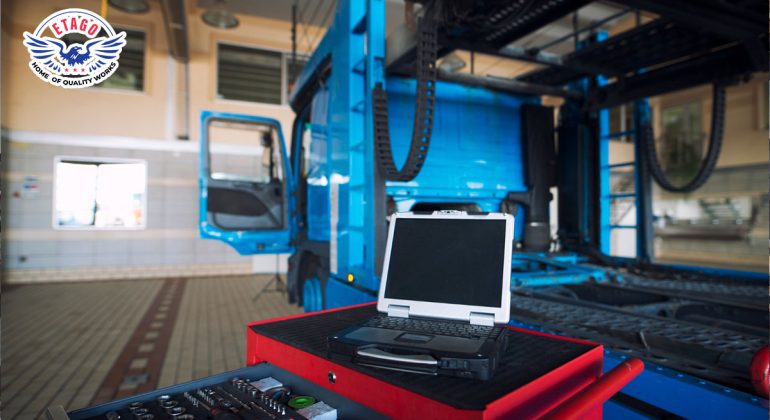

Introduction: Why Preventive Maintenance Matters More Than Ever
In East Africa’s growing industrial and energy sectors, downtime is more than just an inconvenience—it’s a profit killer. When machinery stops, productivity halts, safety risks spike, and repair costs escalate. That’s where preventive maintenance strategies come in.
At Etago Company Limited, we’ve seen firsthand how smart, proactive maintenance can reduce breakdowns, extend equipment lifespan, and save millions in repair and replacement costs. Whether you manage an oil terminal in Dar es Salaam or an industrial plant in Kampala, the key to operational success lies in one principle: maintain before it breaks.
In this comprehensive guide, we’ll walk you through 8 proven preventive maintenance techniques that drastically cut downtime. We’ll also explain how Etago’s expertise in engineering, tank inspections, hydro testing, NDT, and maintenance services ensures your systems stay running smoothly.
Understanding Preventive Maintenance
What Is Preventive Maintenance?
Preventive maintenance (PM) involves scheduled servicing of equipment before a failure occurs. The goal is to catch and fix potential issues early—before they interrupt production.
Unlike reactive maintenance (which addresses problems after a breakdown), PM focuses on long-term health and reliability.
Why Preventive Maintenance Is Essential in East Africa
In Tanzania and across East Africa, harsh environments, power fluctuations, and supply chain limitations demand robust and proactive maintenance systems. For companies operating in oil & gas, heavy manufacturing, and energy infrastructure, this approach isn’t optional—it’s survival.
1. Scheduled Inspections and Servicing
The Strategy: Create fixed schedules for checking and servicing all critical equipment.
How It Works:
-
Weekly, monthly, and annual checklists for all systems.
-
Inspection of wear parts (belts, bearings, gaskets).
-
Oil sampling and fluid changes.
Benefits:
-
Avoids unexpected failures.
-
Reduces emergency repairs.
-
Ensures compliance with safety standards.
Etago Insight: Our team helps design and implement customized maintenance schedules for facilities of all sizes. We align servicing routines with equipment manufacturer guidelines and your industry-specific needs.
2. Condition Monitoring
The Strategy: Use sensors and tools to track equipment performance in real-time.
Common Monitoring Techniques:
-
Vibration analysis to detect motor imbalance.
-
Infrared thermography to catch electrical hotspots.
-
Ultrasound for steam trap and valve leakage.
Benefits:
-
Immediate detection of anomalies.
-
Predicts failure before visible signs appear.
Etago’s Expertise: We offer Non-Destructive Testing (NDT) services including thermography, ultrasound, and magnetic particle inspection to detect faults without disassembly.
3. Lubrication Management
The Strategy: Regularly lubricate moving parts with the right type and amount of lubricant.
Best Practices:
-
Set intervals based on run-time and environment.
-
Use automatic lubrication systems.
-
Analyze lubricant for contamination.
Results: Prevents friction, overheating, and premature wear.
Tip from the Field: In dusty Tanzanian environments, contaminated grease is a leading cause of motor failure—Etago’s maintenance audits often identify poor lubrication practices as a root problem.
4. Cleaning and Environmental Control
The Strategy: Keep equipment and workspaces clean to prevent dust, moisture, or chemical buildup.
Why It Works:
-
Protects electrical systems.
-
Improves ventilation and cooling.
-
Prevents corrosion.
Simple Steps:
-
Daily sweeping and dust control.
-
Humidity monitoring and dehumidifiers.
-
Cleaning air filters and ducts.
Etago Recommends: Combine cleaning protocols with periodic facility condition assessments—our team conducts full environment checks during scheduled maintenance cycles.
5. Spare Parts Inventory Management
The Strategy: Keep critical spare parts in stock to reduce repair delays.
Smart Inventory Tips:
-
Identify high-failure-rate components.
-
Track consumption trends.
-
Use software to monitor stock levels.
Impact: Downtime drops when repairs can start immediately.
Pro Insight: Etago helps clients design spare parts management systems that minimize inventory costs without risking unplanned outages.
6. Personnel Training and Maintenance Culture
The Strategy: Educate staff on preventive maintenance techniques and build a culture of ownership.
What to Train:
-
How to detect early signs of failure.
-
Proper equipment operation.
-
Lubrication and cleaning basics.
Why It Works:
-
Frontline employees often spot issues first.
-
Reduces operator error and misuse.
Etago’s Role: We offer in-house training and O&M (operations and maintenance) support to build sustainable internal capacity.
7. Root Cause Analysis (RCA)
The Strategy: Investigate every failure to prevent recurrence.
Steps in RCA:
-
Identify the immediate and underlying causes.
-
Determine contributing factors.
-
Implement systemic solutions.
Tools Used:
-
5 Whys.
-
Fishbone diagrams.
-
Fault tree analysis.
Etago Insight: We provide post-incident investigation services to identify systemic weaknesses and improve future uptime.
8. Digital Maintenance Management Systems (CMMS)
The Strategy: Use software to track, schedule, and document all maintenance activities.
Key Features of CMMS:
-
Asset lifecycle tracking.
-
Automated work order generation.
-
Mobile apps for field teams.
Why Go Digital?
-
Eliminates missed servicing.
-
Provides historical data.
-
Improves decision-making.
Etago Delivers: Our engineers support the setup, integration, and training for CMMS platforms tailored to Tanzanian infrastructure needs.
How Etago Can Help Your Facility Stay Online
With years of experience across Tanzania and East Africa, Etago Company Limited supports clients with:
-
Engineering Design & Construction: From refinery piping to industrial plants.
-
Maintenance Services: Tailored PM plans, emergency repairs, and routine upkeep.
-
Hydro Testing & NDT: Ensure structural and system integrity without disruption.
-
Tank Inspection & Certification: Keep your fuel and water storage systems compliant and safe.
-
Commissioning Services: We get your equipment online—safely and reliably.
Every Etago solution is backed by a team of certified engineers, technicians, and project managers committed to quality, safety, and operational excellence.
Conclusion: Prevention Is Always Better—and Cheaper—Than Cure
In industries where downtime equals loss, preventive maintenance isn’t a luxury—it’s a necessity. By implementing these 8 strategies, you can boost uptime, extend asset life, and lower your long-term costs.
And with Etago Company Limited as your maintenance partner, you’ll have the tools, skills, and systems to stay ahead of breakdowns before they ever happen.
Frequently Asked Questions (FAQs)
1. What is the main goal of preventive maintenance?
The main goal is to detect and correct potential issues before they cause equipment failure, reducing downtime and repair costs.
2. How often should preventive maintenance be scheduled?
This depends on the equipment type, usage frequency, and environment. Etago helps tailor custom maintenance intervals for every client.
3. What industries benefit most from preventive maintenance?
Industries with heavy equipment—like oil & gas, manufacturing, and energy—gain the most from proactive maintenance.
4. Is preventive maintenance cost-effective?
Absolutely. Though it requires upfront investment, it drastically reduces emergency repairs, downtime losses, and equipment replacements.
5. Can Etago assist in developing a preventive maintenance program?
Yes! We specialize in designing, implementing, and managing preventive maintenance strategies suited for East African industrial environments.