
Introduction: The Backbone of Safe Industrial Pipelines
In the demanding environments of oil & gas, engineering, and industrial construction across Tanzania and East Africa, every pipeline must perform flawlessly under pressure. A single failure could lead to devastating leaks, environmental damage, or regulatory penalties. That’s where Hydrostatic Testing Services step in—offering a reliable, science-backed method to verify the strength and safety of your pipeline systems before they go operational.
Whether you’re building new infrastructure in Tanzania’s energy corridors or maintaining aging networks in the East African interior, understanding the significance of hydro testing is essential. In this guide, we’ll explore six critical reasons why hydrostatic testing is not just important—but absolutely vital—for pipeline projects. And we’ll show how Etago Company Limited plays a key role in delivering this essential service with precision, professionalism, and unmatched expertise.
What Is Hydrostatic Testing?
Hydrostatic testing is a non-destructive testing method that assesses the integrity, strength, and leak-tightness of pipelines and pressure vessels by filling them with water and pressurizing them beyond their normal operating levels.
This test simulates real-world conditions, ensuring that the system can handle operational stress without failing. It’s a crucial final step before commissioning any new pipeline or after significant repairs or modifications.
1. Ensures Structural Integrity Before Operation
Imagine building an expensive oil pipeline across the southern regions of Tanzania, only to discover a hidden defect after going live. Hydrostatic testing eliminates this risk by verifying that the structure can handle real operational pressure—and then some. It’s like test-driving your car at highway speeds before trusting it on the road.
Key Benefits:
-
Identifies weak welds or manufacturing flaws
-
Prevents unexpected ruptures or bursts
-
Builds confidence before startup
2. Detects Hidden Leaks and Micro-Cracks
Leaks are silent threats. They may not cause immediate failure, but over time, they lead to pressure drops, product losses, and even explosions in combustible environments.
With hydrostatic testing, pipelines are filled with water and pressurized—allowing even the smallest leaks or micro-cracks to reveal themselves.
Etago’s precision testing techniques include:
-
Pressure drop analysis
-
Visible inspection of seepage
-
Digital monitoring equipment
This method is especially valuable in fuel, gas, and chemical transmission systems where safety is paramount.
3. Mandatory for Regulatory Compliance
Government agencies and international standards bodies (such as ASME, API, OSHA) require hydro testing as part of pipeline certification. In East Africa, regulatory institutions like EWURA (Energy and Water Utilities Regulatory Authority) demand compliance for operational licenses and environmental clearances.
Without hydrostatic test documentation, your project may face:
-
Shutdown orders
-
Fines and legal action
-
Delays in commissioning
Etago Company Limited provides full certified hydrostatic testing with traceable documentation, ensuring you meet all local and international compliance standards.
4. Cost-Efficient Risk Management Tool
Think of hydrostatic testing as an investment—not a cost. A minor test today could save millions tomorrow.
Why?
Because pipeline failures can lead to:
-
Environmental pollution
-
Expensive clean-ups
-
Public health hazards
-
Costly downtime
Etago’s hydro testing services include preventive analysis and stress simulation, helping businesses detect and fix potential problems before they become disasters.
5. Essential for Maintenance & Life Extension
Pipelines are not just built and forgotten—they age, corrode, and degrade under environmental and operational stress.
Hydrostatic testing is essential for:
-
Routine maintenance schedules
-
Post-repair validations
-
Evaluating fitness-for-service
Whether you’re managing a 30-year-old oil line in the Rufiji Basin or retrofitting a petrochemical plant in Dar es Salaam, hydro testing gives your assets a new lease on life—with data to back it up.
6. Builds Stakeholder Confidence
Investors, regulators, insurers, and customers all want one thing: assurance.
By showcasing detailed hydrostatic test results:
-
Project owners demonstrate due diligence
-
Insurers reduce liability concerns
-
Customers trust your delivery infrastructure
Etago Company Limited helps you deliver this confidence through detailed reports, pressure charts, and digital records that show your system is safe, strong, and compliant.
Where Does Etago Company Limited Come In?
As a Tanzanian leader in engineering and industrial infrastructure, Etago offers comprehensive hydrostatic testing services across oil, gas, petrochemical, and water sectors.
Our services include:
-
Pipeline testing (onshore/offshore)
-
Storage tank hydro testing
-
Pressure vessel and boiler testing
-
Commissioning support
-
Inspection and certification
Etago combines state-of-the-art equipment with experienced technicians and strict adherence to ISO and API standards. From Dar es Salaam to Dodoma, from oil fields to refineries, we’ve helped clients reduce downtime, increase safety, and secure regulatory approvals fast.
Additional Etago Services to Support Your Projects
While hydrostatic testing is critical, Etago also provides complementary services such as:
-
Engineering & Design of Steel Structures
-
Tank Inspection Services
-
NDT (Non-Destructive Testing)
-
Hydro Testing Services for Gas, Oil, and Water Lines
-
Project Commissioning and Maintenance
Explore more on our website or contact our team to learn how we can customize solutions for your pipeline or industrial facility.
Real-World Example: Pipeline Testing in the Lake Zone
One of Etago’s recent hydro testing projects involved a 96-km crude oil pipeline for a multinational oil company operating near Lake Victoria. The challenge? Irregular terrain and fluctuating temperatures.
By using advanced pressure logging equipment and real-time data analytics, Etago was able to:
-
Complete testing in 50% less time
-
Identify 3 hidden micro-leaks
-
Achieve full compliance with EWURA in the first inspection
This project reinforced Etago’s role as a reliable technical partner in high-stakes environments.
Environmental & Safety Compliance: A Core Etago Value
Hydro testing involves large volumes of water. At Etago, we:
-
Use recycled water systems
-
Neutralize contaminated water post-testing
-
Train teams in environmentally responsible discharge practices
We also adhere strictly to Occupational Health and Safety standards, ensuring risk-free environments for our clients and teams.
Common Hydro Testing Techniques Used by Etago
-
Direct Pressure Method
Best for straight pipeline sections. -
Volume Loss Method
Useful for identifying slow leaks in older systems. -
Pressure Drop Curve Analysis
Digitally tracks pressure changes for precise diagnostics.
Internal Linking for More Information
Want to know more about our Engineering & Design of Steel Structures or Hydro Testing Services? Visit our service pages for a deep dive into our technical capabilities.
External References
These sources set the global and national standards we follow in every hydro testing operation.
Suggested Image & Alt Text
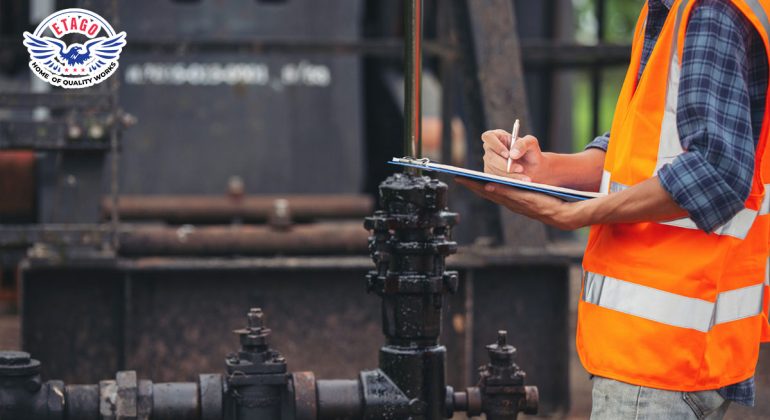
Image: Technicians conducting hydrostatic testing on an oil pipeline
Alt Text: Etago engineers performing hydrostatic testing on a high-pressure oil pipeline in Tanzania
Conclusion: Don’t Launch Your Pipeline Without It
Hydrostatic testing isn’t just a formality—it’s your first and last line of defense against failure. In Tanzania and across East Africa, where energy infrastructure is growing rapidly, hydro testing is essential to ensure longevity, safety, and legal compliance.
Etago Company Limited stands ready to provide this vital service—backed by experience, innovation, and a deep understanding of regional needs.
Need a certified hydrostatic test for your next pipeline project?
Contact Etago today to schedule a site visit and consultation.
Frequently Asked Questions (FAQs)
1. How often should hydrostatic testing be conducted on pipelines?
Most industry standards recommend testing every 5 years or after any significant repair, modification, or prolonged inactivity.
2. Is hydro testing safe for older pipelines?
Yes, when performed by professionals like Etago, hydro testing uses controlled pressure levels suitable even for aging infrastructure.
3. What documentation is provided after testing?
Etago delivers full certification, pressure logs, photographic records, and compliance reports suitable for regulators and insurers.
4. Can hydro testing detect corrosion?
While it doesn’t directly identify corrosion, the results may reveal structural weaknesses caused by internal or external corrosion.
5. How long does a typical hydro test take?
Depending on pipeline length and complexity, a test can take from a few hours to several days—including preparation and reporting.