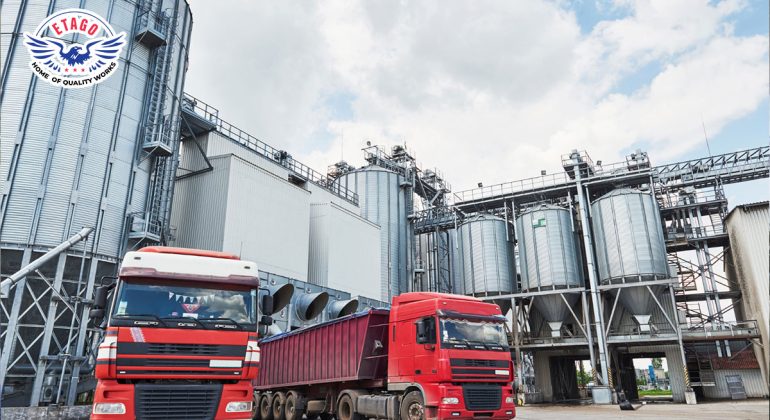

Optimizing Truck Loading and Unloading Facilities for Maximum Efficiency
Efficient truck loading and unloading operations are vital in today’s industrial landscape, especially in fast-growing markets like Tanzania and East Africa. In industries such as engineering, oil & gas, and industrial construction, the effectiveness of these processes directly impacts productivity, safety, and overall operational costs. This comprehensive guide delves into the essential steps and strategies to optimize truck loading and unloading facilities, providing actionable insights and real-world applications tailored for industry professionals.
Introduction
The Importance of Efficient Truck Loading and Unloading in Industrial Sectors
In any industrial facility, the process of loading and unloading trucks is not just about moving materials from point A to point B. It’s a critical element that ensures the seamless flow of goods, minimizes downtime, and boosts overall productivity. Efficient loading operations reduce wait times and increase throughput while safeguarding workers and materials against potential hazards.
Relevance for Tanzanian and East African Markets
Across Tanzania and East Africa, industrial growth is accelerating, driven by investments in oil & gas, engineering projects, and industrial construction. However, many facilities still operate with outdated practices or layout designs that cause unnecessary delays and incur higher operating costs. This article aims to address these challenges by presenting modern, cost-effective solutions that boost efficiency while aligning with regional regulations and environmental considerations.
Overview of Key Takeaways
By the end of this guide, you will understand:
-
The key challenges that affect truck loading and unloading.
-
Best practices in planning, design, and engineering.
-
Technological innovations that are transforming material handling.
-
How sustainable practices can contribute to long-term efficiency.
-
The strategic advantages of partnering with Etago Company Limited for your industrial projects.
Current Challenges in Trucks Loading and Unloading
Common Bottlenecks and Delays
Inefficient truck loading and unloading processes often originate from systemic issues within the facility. Some common bottlenecks include:
-
Manual Processes and Inefficient Layouts: Many facilities still rely on labor-intensive methods that are time-consuming. Poor layout designs can force trucks to circle around multiple times, leading to delays and increased congestion.
-
Safety Concerns and Equipment Limitations: Without proper safety measures, the risk of accidents is higher. Outdated or unsuitable equipment can further exacerbate delays and lead to frequent breakdowns.
Impact on Operational Costs and Productivity
These challenges do more than just slow things down. They directly affect the bottom line by increasing fuel consumption, raising labor costs, and potentially causing damage to goods during transit. Moreover, prolonged dwell times for trucks can disrupt the entire supply chain, causing knock-on effects that ripple across operations. Addressing these issues is crucial for creating a more agile and resilient industrial facility.
Planning and Design Considerations
Site Assessment and Layout Planning
A successful loading and unloading facility begins with a thorough site assessment. This involves a detailed analysis of the facility layout, existing traffic patterns, and surrounding environmental factors.
-
Analyzing Traffic Flow and Accessibility: Evaluate entry and exit points, docking areas, and storage zones. Understanding the current traffic flow helps in redesigning the site layout to minimize interference and maximize efficiency.
-
Environmental and Regulatory Considerations: Ensure that your facility complies with local and international regulations regarding noise, emissions, and safety. Consideration of environmental factors can also influence the layout, especially when dealing with hazardous materials.
Incorporating Best Engineering Practices
Modern engineering practices play a pivotal role in designing efficient facilities. Adopting an approach that emphasizes planning and precision can save time and money in the long run.
-
Efficient Material Handling Systems: Leverage automated conveyor systems, forklifts, and other material handling equipment to reduce manual labor and increase speed.
-
Advanced Technology Integration (Automation & IoT): Integrate automation and Internet of Things (IoT) technologies for real-time monitoring and data collection. These systems provide insights into bottlenecks and operational inefficiencies, allowing for proactive adjustments.
Engineering Solutions for Optimization
Modern Design Strategies for Loading and Unloading Areas
Innovative facility design lies at the heart of optimization. Consider modular designs that allow for easy expansion or reconfiguration as operational needs change. Include dedicated areas for staging, safety checks, and maintenance to streamline the overall process.
Ergonomics and Safety in Design
Worker safety and comfort cannot be overlooked when planning a loading and unloading facility.
-
Best Practices for Worker Safety and Efficiency: Incorporate ergonomic design principles to minimize repetitive strain injuries and fatigue. Design loading bays with adequate lighting, proper signage, and non-slip surfaces.
-
Implementation of Safety Protocols: Develop clear safety procedures, including regular training programs, proper PPE requirements, and emergency response plans. Technology can also play a role here by using wearable devices that monitor worker health and safety in real time.
Equipment and Technology in Focus
High-Performance Loading and Unloading Equipment
Investing in modern equipment is essential to achieve maximum efficiency.
-
Conveyor Systems and Automated Lift Equipment: These systems reduce manual labor, increase precision, and significantly speed up the loading and unloading process. Automated systems also help in maintaining a uniform pace, which minimizes delays.
-
Real-Time Monitoring and Data Analytics: Implement systems that continuously monitor equipment performance and track operational metrics. Data analytics can identify patterns, predict maintenance needs, and provide insights for further process improvements.
Optimizing Equipment Utilization
Regular maintenance and proactive upgrades are key to ensuring that your equipment operates at peak efficiency.
-
Regular Maintenance and Upgrades: Schedule regular check-ups and preventive maintenance to prevent unexpected breakdowns. Upgrading to the latest technology can also extend the lifespan of your facility, reduce downtime, and enhance overall performance.
Case Studies and Best Practices
Successful Projects in Tanzania and East Africa
Real-world examples provide invaluable insights into the benefits of optimized loading and unloading facilities. For instance, a leading oil & gas facility in Dar es Salaam revamped its truck docking area by integrating automated conveyor systems and improving its layout design. The result was a significant reduction in waiting times and a considerable decrease in operational costs.
-
Real-World Examples of Facility Optimization: Numerous case studies have demonstrated that strategic investments in technology and design not only improve efficiency but also enhance worker safety and reduce environmental impact.
Lessons Learned and Recommendations for Future Projects
Key lessons from these projects include the importance of early-stage planning, the need for adaptable designs, and the benefits of incorporating real-time data analytics. Recommendations for future projects involve investing in sustainable technology upgrades and regular training sessions to keep staff updated with the latest best practices.
The Role of Sustainable and Green Practices
Sustainability is increasingly becoming a driving factor in industrial optimization. Efficient facility designs not only reduce operational costs but also have a positive environmental impact.
Reducing Environmental Impact Through Efficient Design
By streamlining traffic flow and optimizing equipment utilization, facilities can minimize unnecessary fuel consumption and reduce emissions. Environmentally friendly designs and the use of energy-efficient equipment contribute to a lower carbon footprint—a benefit that resonates well in today’s eco-conscious market.
Energy Efficiency and Resource Optimization
Adopting green practices isn’t just about compliance—it’s about long-term cost savings. Implement renewable energy sources where feasible, use energy-efficient lighting and HVAC systems, and continually monitor resource usage to further drive efficiency.
How Etago Company Limited Can Assist
Etago Company Limited is a leader in engineering, oil & gas, and industrial construction in Tanzania and East Africa. Their expertise in optimizing operational processes can be a game-changer for your facility.
Comprehensive Engineering, Design, and Construction Services
Etago Company Limited offers a full suite of services designed to optimize industrial facilities:
-
Engineering Design, Maintenance, and Upgrades: Our engineering team uses cutting-edge design and simulation tools to create facility layouts that maximize efficiency and safety.
-
Integration of Tank Inspections and Safety Protocols: Beyond optimization, safety is paramount. Etago ensures regular inspections, hydro testing, and non-destructive testing (NDT) to maintain compliance and operational integrity.
-
Oil & Gas Infrastructure Development and Modern Technologies: For clients in the oil & gas sector, we provide tailored infrastructure solutions that integrate the latest technologies for improved reliability.
Commitment to Quality, Safety, and Innovation
Etago’s commitment to continuous improvement, stringent quality standards, and innovation makes them an ideal partner for any industrial project. Their experience and local expertise ensure that every project meets both global standards and local regulatory requirements.
SEO Best Practices and Digital Visibility
Effective digital strategy is essential for business growth and industry leadership in today’s competitive market.
Optimizing Online Content for Industry Professionals
Ensure that your online content communicates authority and reliability. High-quality content with targeted keywords such as “industrial construction Tanzania,” “oil & gas facility optimization,” and “efficient truck loading facilities” improves search engine visibility and drives traffic.
Keyword Strategies for Industrial Construction and Engineering
Utilize both high-ranking and long-tail keywords to attract a broad yet targeted audience. Incorporate phrases like “optimizing truck loading efficiency,” “sustainable loading solutions in East Africa,” and “Etago engineering services” within your content. Remember, keyword density and placement in headers, meta descriptions, and alt texts can significantly influence ranking.
Internal and External Linking Strategies
Develop internal links to Etago’s core service pages, blog posts, and case studies. Additionally, reference authoritative sources within the industrial and engineering sectors to bolster your content’s credibility. External links to recognized industry standards and governmental guidelines further enhance trust and authority in your content.
Conclusion
Recap of Key Takeaways for Maximum Efficiency
Optimizing truck loading and unloading facilities is a critical element of operational excellence in industrial settings. Through detailed planning, effective design, advanced technology integration, and sustainable practices, companies can achieve significant improvements in efficiency, safety, and cost savings. Addressing common challenges—such as manual processes, inefficient layouts, and equipment limitations—requires a combination of engineering innovation and commitment to continuous improvement.
Final Thoughts and Future Directions
As Tanzania and East Africa continue to evolve as industrial powerhouses, the need for modern, efficient, and safe operational practices becomes even more pressing. Facilities that invest in optimizing their truck loading and unloading operations not only boost productivity but also secure a competitive edge in a rapidly changing market. Embracing technology and sustainability is the way forward, paving the way for a more profitable and environmentally responsible future.
Frequently Asked Questions (FAQs)
1. What are the main challenges in truck loading and unloading facilities?
Major challenges include bottlenecks due to manual processes, inefficient facility layouts, and outdated equipment. These issues lead to delays, increased operating costs, and safety risks.
2. How can technology improve the efficiency of truck loading and unloading?
Technology such as automated conveyors, real-time monitoring systems, and data analytics can streamline processes, reduce manual labor, and minimize downtimes, ensuring smoother operations.
3. What safety measures are essential for these facilities?
Key safety measures include ergonomic design, proper training and certification of personnel, regular maintenance, and the implementation of safety protocols such as PPE usage and emergency response plans.
4. How do efficient loading operations reduce operational costs?
Efficient operations reduce truck dwell time, lower fuel consumption, minimize labor costs through automation, and decrease equipment wear and tear—all of which contribute to significant cost savings over time.
5. How does Etago Company Limited support optimizing industrial facilities?
Etago Company Limited offers comprehensive engineering, design, construction, and maintenance services. Their expertise encompasses advanced planning, modern technology integration, and continuous quality checks, ensuring that every facility operates at maximum efficiency and safety.
Optimizing truck loading and unloading facilities is not a one-time project; it is an ongoing commitment to operational excellence. By carefully assessing current challenges, planning meticulously, and implementing innovative engineering solutions, industrial facilities can achieve enhanced throughput, greater safety, and reduced costs. This approach not only elevates the performance of your facility but also strengthens its competitive standing in a demanding market.
Etago Company Limited is at the forefront of this transformation, providing tailored solutions that address the unique needs of the Tanzanian and East African markets. With our comprehensive range of services—from engineering design and construction to ongoing maintenance and safety protocols—we empower your facility to operate at peak efficiency. Our proven track record, state-of-the-art technologies, and commitment to sustainability ensure that your industrial operations are not only efficient but also future-ready.
For more insights on optimizing your facility and to learn about our specialized services, visit our website or explore our resource center. Let’s work together to build the future of efficient, safe, and innovative industrial operations in East Africa.