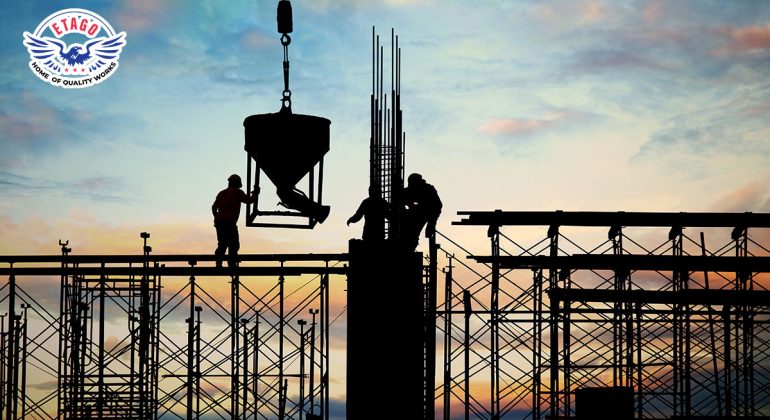

Introduction: Why Scaffolding System Solutions Matter More Than Ever
In the fast-evolving world of industrial construction and oil & gas infrastructure in Tanzania and East Africa, safety is not a negotiable asset—it’s a prerequisite. Whether you’re erecting a refinery in Mtwara or building a high-rise in Dar es Salaam, the importance of safe and reliable scaffolding system solutions cannot be overstated.
Scaffolding serves as the backbone of safe work at height, providing access, stability, and security. Poor scaffolding practices lead to costly project delays, legal consequences, and worst of all—avoidable injuries or fatalities. But what defines an effective scaffolding system? And how can your project leverage best practices to reduce risk?
This article dives deep into seven essential elements that make up effective scaffolding system solutions and explains how Etago Company Limited can help you implement them for optimal safety, compliance, and productivity.
Understanding the Role of Scaffolding in Industrial Projects
Scaffolding is more than just a temporary structure—it’s a lifeline for workers and a framework for progress. In complex industrial environments such as power plants, petrochemical facilities, and large-scale construction sites, scaffolding provides:
-
Safe access to elevated areas
-
Stability for tools and materials
-
Fall protection and barrier systems
-
Flexibility to adjust to structural designs
Whether you’re operating in Mwanza’s mining region or offshore gas sites, a well-designed scaffolding system ensures operations run smoothly and safely.
1. System Design: Tailored for Project Demands
Every project is unique, and so should be its scaffolding. A robust scaffolding solution starts with professional engineering design that aligns with your site’s specific requirements.
Key design considerations include:
-
Load capacity and intended use
-
Type of work being performed
-
Site geography and wind conditions
-
Duration and frequency of access
Etago’s engineering team specializes in scaffolding system planning using CAD modeling and structural analysis to ensure precision, safety, and compliance with international safety standards (such as OSHA and BS EN 12811).
2. Material Quality: The Foundation of Durability and Safety
Would you trust a collapsing bridge? The same principle applies to scaffolding. The integrity of your scaffold hinges on the materials used—preferably hot-dipped galvanized steel or high-grade aluminum—which offer resistance to rust, deformation, and fatigue.
Important components to consider:
-
Ledgers and standards: Core vertical and horizontal support
-
Base plates and sole boards: Foundation stability
-
Couplers and clamps: Secure interconnectivity
-
Decking/planks: Non-slip and load-rated surfaces
Poor-quality materials have no place on a high-risk site. Etago only utilizes certified materials sourced from verified global manufacturers.
3. Erection and Dismantling Procedures: The Human Element
Even the most advanced scaffold is dangerous if not erected properly. Professional scaffolding erection requires:
-
Trained personnel following engineered designs
-
Use of personal protective equipment (PPE)
-
Load testing before use
-
Compliance with work-at-height procedures
Etago’s construction teams are certified in scaffold erection and dismantling, ensuring the process is safe, efficient, and fully documented for audits.
Rhetorical Question: Would you board a plane if you weren’t sure the engine was checked? Why take that chance with scaffolding?
4. Access and Egress Systems: Safe Entry and Exit
Every scaffold must offer safe, clear, and unobstructed access and egress routes. Workers should not be forced to climb awkward frames or leap across gaps to reach their work area.
Elements of safe access include:
-
Staggered ladders and stair towers
-
Guardrails at every level
-
Non-slip surfaces
-
Clearly marked entry points
Etago designs its scaffolding to comply with both site-specific access requirements and universal safety norms.
5. Fall Protection: The Non-Negotiable Layer
One of the greatest hazards in construction is falling from height. This makes fall protection a non-negotiable aspect of any scaffolding solution.
Scaffolding should be equipped with:
-
Top rails and mid-rails
-
Toe boards
-
Safety harness anchor points
-
Debris nets and canopies
Etago incorporates fall arrest systems and redundant safety features into every scaffold it erects, ensuring complete site-wide safety compliance.
6. Routine Inspection and Maintenance: Don’t Set It and Forget It
Even the best scaffolding can degrade or shift over time. That’s why routine inspection and maintenance are critical.
Inspection types include:
-
Daily visual checks by the site supervisor
-
Weekly formal inspections documented by safety officers
-
Post-weather-event inspections to ensure structural integrity
Etago offers comprehensive scaffold inspection programs and maintenance services to ensure zero compromise on safety from day one to project closeout.
7. Compliance, Documentation, and Training: Safety is a Culture
Safety isn’t just a checklist—it’s a worksite culture. And that culture must be supported by:
-
Site-specific scaffolding permits
-
Training records for all scaffold users
-
Engineering design documentation
-
Risk assessments and method statements (RAMS)
Etago supports its clients by providing technical training on scaffold usage, storage, and safety. We also help maintain full documentation to assist with compliance audits and insurance requirements.
How Etago Company Limited Enhances Your Site’s Scaffolding Safety
As a leading Tanzanian firm in engineering, industrial construction, and oil & gas infrastructure, Etago offers end-to-end solutions for scaffolding, including:
-
Engineering design of scaffolding systems
-
Procurement of certified scaffolding materials
-
Professional erection and dismantling services
-
Hydro testing, tank inspections, and NDT integration
-
Ongoing inspection, documentation, and training
Etago’s scaffolding solutions are built on the pillars of quality, safety, and innovation. Whether you’re operating in Tanzania, Uganda, Kenya, or Mozambique, our team is ready to support your infrastructure safely and efficiently.
Did You Know? Scaffolding-related incidents account for nearly 65% of construction site falls in East Africa. Proper systems save lives—and millions in costs.
Conclusion: Elevate Safety with the Right Scaffolding Strategy
Scaffolding may be temporary, but its impact on safety is permanent. From engineering design to on-site implementation, every decision matters. By focusing on these seven critical elements, and partnering with experienced professionals like Etago, you don’t just meet standards—you set them.
Let Etago help you raise the bar for safety, productivity, and excellence on your next project.
FAQs
1. Why is scaffolding important in oil & gas projects?
Scaffolding provides safe access to elevated or complex equipment for maintenance, inspections, and installations, making it critical in the hazardous environments of oil & gas operations.
2. How often should scaffolding be inspected?
Scaffolding should be visually inspected daily and undergo a detailed safety inspection at least once per week or after adverse weather conditions.
3. What types of scaffolding does Etago provide?
Etago offers modular systems such as cuplock and ringlock scaffolding, customized for industrial applications, along with accessories for safety and access control.
4. Can Etago train our staff in scaffolding safety?
Yes. Etago provides on-site and off-site scaffolding safety training, including proper erection, dismantling, and fall protection use.
5. Is scaffolding included in Etago’s project management services?
Absolutely. Scaffolding is an integral part of Etago’s full-scope engineering, construction, and commissioning solutions for industrial infrastructure projects.