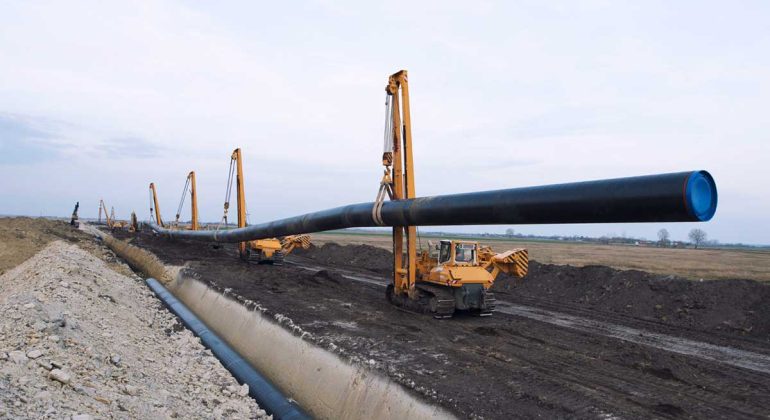

Pipelines are the unsung heroes of Tanzania and East Africa’s industrial and energy sectors. Quietly stretching across vast terrains, they transport oil, gas, and critical fluids to power homes, factories, and economies. But as vital as they are, pipeline integrity management is what ensures they stay safe, functional, and efficient for the long haul.
In this article, we dive into the seven critical best practices that engineering and industrial players must adopt to preserve the integrity of pipelines. Whether you’re a facility manager, engineer, or energy investor, understanding and implementing these strategies is essential to avoid catastrophic failures, environmental harm, and financial loss.
Let’s get into it.
The Importance of Pipeline Integrity in Tanzania and East Africa
Pipeline networks in Tanzania, Uganda, Kenya, and other parts of East Africa are expanding rapidly. From oil & gas to water systems and industrial chemicals, the region depends on pipelines for strategic growth.
But with increased demand comes increased risk. Corrosion, material fatigue, human error, and operational pressures all threaten pipeline performance. Pipeline integrity management isn’t a luxury—it’s a necessity for public safety, environmental protection, and operational continuity.
What is Pipeline Integrity Management?
Simply put, pipeline integrity management is the coordinated process of ensuring that a pipeline system continues to operate safely, reliably, and efficiently throughout its lifecycle. It involves monitoring, testing, assessing, repairing, and documenting every aspect of pipeline health—from the inside out.
The goal? Zero incidents, zero leaks, and maximum uptime.
1. Design with Integrity in Mind
A solid pipeline starts with a smart design. Long before a single pipe is laid in the ground, engineers must:
-
Select the appropriate materials (corrosion-resistant alloys, coatings, etc.)
-
Consider local terrain and soil conditions
-
Plan for pressure ranges and flow rates
-
Account for seismic and weather-related stress factors
By building integrity into the blueprint, you’re reducing future failures before they can start.
Etago Company Limited excels in Engineering Design of Steel Structures and piping systems, ensuring pipelines are engineered for long-term durability under East Africa’s unique environmental conditions.
2. Regular Non-Destructive Testing (NDT)
You can’t fix what you can’t see. That’s where Non-Destructive Testing (NDT) becomes invaluable.
NDT methods like ultrasonic testing, radiography, magnetic particle inspection, and dye penetrant testing help identify internal flaws without damaging the pipeline. These tests detect early signs of:
-
Wall thinning
-
Cracks or weld defects
-
Corrosion under insulation (CUI)
-
Material fatigue
Conducting scheduled NDT helps facility managers plan repairs before a failure occurs.
Etago’s NDT Services bring advanced inspection technology to industrial operators across Tanzania, providing accurate and reliable diagnostics to protect critical infrastructure.
3. Hydrostatic Testing for Pressure Integrity
Before putting a pipeline into service—or bringing it back online after repairs—hydrostatic testing ensures it can handle expected pressure loads.
This involves filling the pipeline with water and pressurizing it to check for leaks or weak points.
Hydro tests are a vital step in both commissioning and periodic maintenance. They help ensure structural soundness under operational conditions and comply with local safety standards.
Looking for trusted hydro testing experts? Etago’s Hydro Testing Services are trusted across Tanzania for accurate, certified pressure testing of pipeline systems.
4. Real-Time Monitoring and Data Logging
Gone are the days of manual inspections alone. Today, pipeline integrity management includes:
-
SCADA systems (Supervisory Control and Data Acquisition)
-
Smart pigs (pipeline inspection gauges)
-
Sensor networks for pressure, flow, temperature, and vibration
These tools deliver real-time visibility into pipeline health. Early detection of anomalies like pressure drops or flow inconsistencies allows for rapid response before issues escalate.
Pipeline operators who integrate smart technology save time, money, and lives.
5. Corrosion Prevention and Cathodic Protection
Corrosion is one of the leading causes of pipeline failures worldwide.
To combat this silent killer, operators must implement robust corrosion control strategies, such as:
-
Internal coatings to resist abrasion and chemical damage
-
External coatings to shield from soil moisture
-
Cathodic protection systems that neutralize corrosive electrical currents
Routine inspection and re-coating schedules are key to staying ahead of corrosion damage.
Etago helps clients integrate Cathodic Protection and Corrosion Monitoring solutions as part of their pipeline maintenance programs.
6. Routine Inspections and Preventive Maintenance
Pipelines are not “set-and-forget” assets. Ongoing inspection and preventive maintenance must be budgeted into every lifecycle phase.
Best practices include:
-
Visual inspections of above-ground segments
-
Leak detection systems
-
Valve function checks
-
Cleaning pigging operations
-
Component replacements before failure
Etago’s Maintenance Services ensure that your pipeline systems are continuously evaluated, serviced, and optimized to avoid costly breakdowns.
7. Incident Preparedness and Emergency Response Planning
Despite best efforts, incidents can occur. That’s why having a well-documented emergency response plan is non-negotiable.
This plan should include:
-
Emergency contact lists
-
Isolation and shut-off procedures
-
Spill containment and mitigation protocols
-
Regular emergency drills for field teams
Training staff and running simulations prepare your team to respond swiftly and effectively in the event of a pipeline emergency.
How Etago Company Limited Supports Pipeline Integrity
As a trusted Tanzanian engineering and industrial service provider, Etago Company Limited offers tailored solutions that reinforce pipeline health at every stage:
✅ Engineering & Design of Pipeline and Storage Systems
✅ Tank and Pressure Vessel Inspections
✅ Hydro Testing and Non-Destructive Testing
✅ Corrosion Prevention and Cathodic Protection
✅ Routine Maintenance and Emergency Repairs
✅ Commissioning and Post-Installation Assessments
With a deep understanding of East Africa’s industrial landscape and commitment to innovation, Etago ensures that pipeline operators achieve maximum safety, uptime, and compliance.
Final Thoughts: Integrity is a Daily Commitment
Pipeline integrity is not a one-time task—it’s a long-term discipline.
From the design table to the field, and from testing labs to real-time sensors, every step matters. By applying these seven best practices, Tanzanian and East African operators can safeguard infrastructure, protect the environment, and drive industrial growth sustainably.
Frequently Asked Questions (FAQs)
1. What causes most pipeline failures in East Africa?
Corrosion, poor maintenance, inadequate design, and human error are the leading causes. Weather and soil conditions also play a role.
2. How often should pipelines undergo hydro testing?
Hydro testing is typically done during commissioning and at scheduled intervals depending on the pipeline’s purpose, age, and material—usually every 3 to 5 years.
3. What is the role of smart pigs in pipeline inspection?
Smart pigs are devices sent through pipelines to measure wall thickness, detect corrosion, and locate cracks using advanced sensors.
4. Can Etago handle offshore pipeline services?
Yes. Etago has the expertise and equipment to support both onshore and offshore projects, including design, inspection, and maintenance.
5. Why is NDT preferred over traditional destructive testing?
NDT preserves the asset while providing accurate diagnostic data—making it cost-effective and safer, especially in live systems.
Need expert help to keep your pipeline safe and compliant?
Contact Etago Company Limited today to learn how we can help with your pipeline integrity management strategy.