
Industrial Safety: 9 Life-Saving Tips for High-Risk Work Environments
Industrial operations in Tanzania and across East Africa continue to expand rapidly, particularly in sectors like oil & gas, engineering, and heavy construction. While this growth drives economic development, it also introduces significant risks to workers on-site. High-risk environments demand strict safety practices—not only to protect lives but also to safeguard investments, equipment, and long-term productivity.
This article explores nine life-saving tips for ensuring industrial safety in hazardous workspaces. It also highlights how Etago Company Limited supports companies in building safer, more efficient, and compliant workplaces.
Why Industrial Safety Matters
Industrial workplaces often involve high-voltage electrical systems, pressurized tanks, heavy machinery, flammable substances, and complex construction activities. Without proper safety measures, accidents can cause severe injuries, environmental damage, financial losses, and even fatalities.
Beyond compliance with Tanzanian and international regulations, investing in safety creates a culture of responsibility and trust—ensuring employees return home safely every day.
1. Conduct Regular Risk Assessments
Every high-risk workplace must identify, evaluate, and mitigate hazards before work begins. Risk assessments highlight potential dangers, from gas leaks to structural weaknesses, ensuring preventative measures are in place.
Practical steps include:
-
Evaluating new projects before site mobilization.
-
Reviewing existing safety protocols.
-
Using modern tools such as Non-Destructive Testing (NDT) for early detection of structural defects.
Etago assists industries with comprehensive inspections, hydro testing, and risk-based maintenance planning to eliminate safety blind spots.
2. Prioritize Proper Training and Certification
Workers cannot follow safety practices they do not understand. Regular training programs ensure employees are equipped to handle tools, operate machinery, and respond to emergencies.
Training should include:
-
Safe handling of oil & gas equipment.
-
Hazardous material management.
-
Fire safety and evacuation drills.
-
Occupational health and safety awareness.
Etago also offers safety-focused programs and ensures teams are certified to meet local and international standards.
3. Enforce the Use of Personal Protective Equipment (PPE)
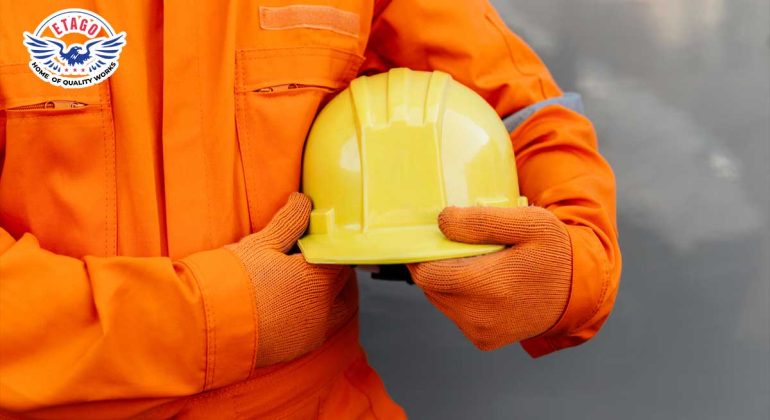
Hard hats, gloves, safety harnesses, flame-resistant clothing, and protective eyewear save lives in hazardous environments. Employers must supply high-quality PPE and ensure consistent usage.
In East Africa, some incidents occur because workers neglect PPE due to discomfort or lack of enforcement. A culture of “no PPE, no work” should be strictly maintained.
4. Maintain Equipment Through Regular Inspections
Machinery, storage tanks, and pipelines must undergo routine checks to prevent accidents caused by leaks, corrosion, or equipment failure.
Best practices include:
-
Hydro testing of pressurized systems.
-
NDT inspections for early fault detection.
-
Scheduled preventive maintenance instead of reactive fixes.
Etago specializes in tank inspections, hydro testing, and advanced diagnostic techniques that ensure equipment integrity and reduce downtime.
5. Establish Strong Emergency Response Plans
Even with the best safety systems, emergencies can still occur. Every site must have a clear emergency plan covering evacuation, medical response, fire suppression, and communication.
Key components:
-
Designated assembly points.
-
First aid and rescue equipment on-site.
-
Staff trained in basic life support and firefighting.
Etago supports industries with project management services that integrate safety response protocols during design and commissioning stages.
6. Implement Permit-to-Work Systems
High-risk tasks—such as hot works, confined space entry, or electrical maintenance—should only be carried out under strict permit-to-work systems. This ensures all hazards are assessed and controlled before activity begins.
Permits serve as formal authorizations, reducing human error and enforcing accountability among teams.
7. Monitor Workplace Conditions in Real Time
Advanced technologies such as sensors, CCTV monitoring, and automated alarms can detect unsafe conditions before they escalate.
Examples include:
-
Gas detectors for oil & gas operations.
-
Temperature and pressure monitors for tanks.
-
Vibration sensors for rotating machinery.
Etago integrates modern monitoring tools within its engineering and maintenance services, helping clients maintain safety compliance.
8. Promote a Safety-First Culture
Safety must become part of an organization’s DNA. Leaders should encourage employees to speak up about hazards without fear of blame. Rewarding safe practices also motivates workers to prioritize protection over shortcuts.
In East Africa, where project deadlines and cost pressures are often high, companies must resist the temptation to compromise safety for speed.
9. Partner with Experts in Industrial Safety
Industrial safety requires both technical expertise and real-world experience. Collaborating with specialized companies ensures access to best practices, advanced technologies, and industry-compliant solutions.
Etago Company Limited provides:
-
Engineering design, construction, and maintenance.
-
Oil & gas infrastructure refurbishment.
-
Tank inspections, hydro testing, and NDT services.
-
Project management, commissioning, and safety consulting.
With Etago as a partner, businesses in Tanzania and East Africa gain a reliable ally committed to quality, innovation, and safety.
Conclusion
High-risk work environments will always carry dangers, but accidents are preventable with the right safety systems in place. By conducting thorough risk assessments, enforcing training and PPE, maintaining equipment, and adopting a culture of safety, industries can save lives and protect investments.
Etago Company Limited stands at the forefront of safety-driven engineering and industrial solutions. With a strong focus on innovation, quality, and compliance, Etago helps companies in Tanzania and East Africa operate efficiently and safely.
FAQs
1. What is the biggest cause of industrial accidents in East Africa?
Most accidents result from poor safety training, lack of PPE usage, and inadequate equipment maintenance.
2. How often should industrial equipment undergo safety inspections?
Inspections should be scheduled regularly depending on equipment type, usage frequency, and regulatory requirements—typically quarterly or biannually.
3. Why is NDT important for industrial safety?
Non-Destructive Testing identifies internal defects in machinery and tanks without causing damage, preventing failures before they occur.
4. How can Etago support oil & gas companies in Tanzania?
Etago provides engineering design, infrastructure refurbishment, hydro testing, NDT inspections, and project management tailored to oil & gas operations.
5. What role does company culture play in safety?
A strong safety culture ensures workers prioritize safety every day, reducing risks caused by negligence or rushing to meet deadlines.