
Welding Services: 5 Common Mistakes That Could Ruin Your Project
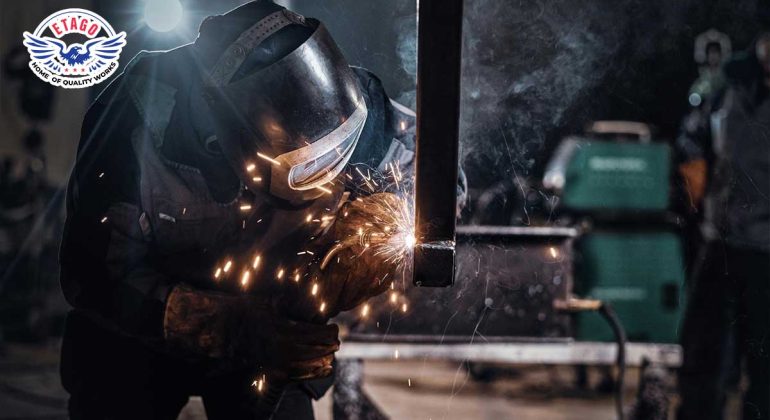
Welding is at the heart of nearly every major construction, oil & gas, and industrial project across Tanzania and East Africa. Whether it’s pipeline fabrication, steel structure erection, tank construction, or maintenance of offshore rigs, quality welding can determine the success—or failure—of the entire project. Despite its critical nature, many companies unknowingly make mistakes that compromise strength, safety, cost-efficiency, and timelines.
In this article, we’ll uncover the five most common welding mistakes that could ruin your project, along with best practices to avoid them. We’ll also explore how Etago Company Limited provides industry-leading welding services to help you stay ahead of the curve.
Why Welding Quality Matters in Industrial Projects
Welding does more than just hold metal together. In industrial settings—like oil terminals, factories, or pressure vessels—a bad weld can lead to leaks, corrosion, system failures, or catastrophic accidents. Quality welding ensures structural integrity, regulatory compliance, cost-effectiveness, and long-term durability.
Mistake #1: Using the Wrong Welding Process for the Job
One size does not fit all when it comes to welding. Choosing between MIG, TIG, Stick, or Flux-Cored welding depends on the type of metal, its thickness, environmental conditions, and the application.
Consequences of this mistake include:
-
Weak joints and premature cracking
-
Excessive spatter and post-weld clean-up
-
High operational costs
Best practice:
Work with welding professionals who understand which method works best for your project. For instance, TIG welding offers precision for thin materials, while Stick welding is more reliable in outdoor or windy conditions.
Mistake #2: Ignoring Material Compatibility
Another common blunder is failing to match filler materials with base metals. Using a carbon steel filler on stainless steel components, for example, leads to corrosion and reduced weld strength over time.
Results include:
-
Compromised structural integrity
-
Accelerated corrosion in oil & gas applications
-
Failures during pressure or hydro tests
Best practice:
Ensure proper metallurgical analysis before welding. Partner with certified welders who follow AWS, ASME, and API standards to ensure material compatibility throughout the welding process.
Mistake #3: Poor Surface Preparation
Welding on dirty, oily, rusty, or painted surfaces reduces penetration and weakens the weld. Even the best welder can’t deliver results without proper surface cleaning.
Risks of poor preparation include:
-
Porosity and slag inclusion
-
Weak weld bonds
-
Costly rework or project delays
Best practice:
Clean all surfaces using wire brushing, grinding, or solvent cleaning. Etago ensures strict surface prep protocols before every weld to eliminate contamination risks.
Mistake #4: Inadequate Welder Skills and Certifications
Not all welders are created equal. Hiring unqualified personnel may save money in the short term but could result in catastrophic weld failures later.
Problems caused by underqualified welders:
-
Inconsistent bead profiles
-
Burn-through on thin materials
-
Failed NDT or hydrostatic tests
Best practice:
Always request certification and experience records. Etago employs a team of certified welders skilled in handling complex industrial projects, including ASME IX, AWS D1.1, and EN standards.
Mistake #5: Skipping Weld Inspection and Testing
Skipping inspection or testing to save time often results in missed defects. From visual inspection to advanced NDT methods like ultrasonic testing and radiography, proper evaluation is vital for high-risk environments.
What can go wrong:
-
Hidden cracks or voids
-
Welds that don’t meet pressure test standards
-
Equipment failure post-commissioning
Best practice:
Partner with a company like Etago that integrates testing into every welding stage. This includes NDT, hydrostatic testing, and documentation for quality assurance.
Industry Best Practices for Welding Success
Avoiding these mistakes isn’t enough—you need a solid strategy to ensure welding success. Follow these guidelines:
-
Develop detailed welding procedure specifications (WPS)
-
Ensure preheat and post-weld heat treatment when required
-
Maintain clean, dry storage for electrodes and filler materials
-
Invest in regular welder training and qualification
-
Document every weld and test result for traceability
How Etago Company Limited Delivers Quality Welding Services
Etago Company Limited is a trusted name in Tanzania and East Africa’s industrial construction and oil & gas sectors. With a full range of engineering, welding, and inspection services, we help clients avoid costly welding errors while delivering lasting value.
Here’s how we support your projects:
Engineering and Construction Services
We provide end-to-end support from welding design to fabrication and erection. Our in-house engineers collaborate closely with our welding teams to ensure each weld meets precise structural requirements.
Certified Welders and Inspectors
Etago employs highly skilled and certified professionals. Our team follows international codes such as AWS, API, and ASME, ensuring every weld meets the highest quality standards.
Advanced Non-Destructive Testing (NDT)
From ultrasonic to radiographic testing, we detect weld flaws before they become failures. Our NDT team ensures reliability in high-pressure systems and critical structures.
Hydrostatic Testing & Pressure Verification
Etago’s hydro testing services validate the strength and leak-resistance of welded components, tanks, and pipelines. We ensure every weld is project-ready before commissioning.
Oil & Gas Infrastructure Welding
We specialize in welding for pipeline construction, pressure vessels, offshore rigs, tank farms, and terminals. Our team is trained in handling hazardous environments safely and efficiently.
Project Management & QA/QC Documentation
We integrate quality control and project tracking to deliver projects on time and within budget. Every weld is tracked, tested, and verified for performance.
Common Welding Applications Handled by Etago
-
Tank fabrication and refurbishment
-
Pressure vessel construction
-
Pipe spool welding and fit-up
-
Steel structure erection
-
Offshore and marine fabrication
-
Fuel depots and terminal infrastructure
Why Trust Etago with Your Welding Needs
-
Decades of hands-on experience in complex environments
-
Strict adherence to HSE and quality standards
-
Use of cutting-edge welding equipment and testing tools
-
A reputation for delivering defect-free, code-compliant welds
-
Custom solutions for energy, manufacturing, and construction clients
Final Thoughts
Welding may seem like a small part of your project—but it’s one of the most critical. A single weld failure can lead to costly delays, safety hazards, and reputational damage. By understanding these five common welding mistakes and choosing a trusted partner like Etago Company Limited, you protect your investment and deliver high-performing, reliable infrastructure.
Frequently Asked Questions (FAQs)
1. What welding standards does Etago follow?
Etago adheres to international welding standards such as AWS D1.1, ASME IX, and API 1104. We ensure compliance through qualified procedures and certified personnel.
2. Do you provide on-site welding and inspection?
Yes. Etago offers both in-house and on-site welding services. Our mobile welding and testing units allow us to serve clients across Tanzania and East Africa.
3. What industries do you serve with welding solutions?
We serve the oil & gas, manufacturing, infrastructure, water treatment, and industrial construction sectors, among others.
4. Can Etago help refurbish old tanks or pipelines?
Absolutely. We provide full refurbishment services including inspection, welding repair, hydro testing, and recoating to extend asset life.
5. How do I request a welding assessment or quotation from Etago?
You can contact us directly through our website or call our technical sales team for a site visit and custom proposal based on your project’s scope and requirements.