
Introduction
East Africa’s rapid industrial growth—driven by oil & gas exploration, infrastructure projects, and manufacturing—demands engineering approaches that balance performance with environmental stewardship. Sustainable engineering solutions are no longer optional; they’re essential to meet international climate commitments and ensure long-term viability. At Etago Company Limited, we integrate green technologies and best practices into every project, from engineering design and construction to inspection, hydro testing, and commissioning. In this article, we explore six game-changing innovations that are reshaping East Africa’s industrial landscape.
1. Green Steel Alternatives
Overview of Low-Carbon Steel Production
Traditional steel manufacturing is responsible for up to 8% of global CO₂ emissions. Green steel—produced via hydrogen reduction or electric arc furnaces using renewable electricity—cuts emissions by up to 90%.
Applications in Structural Engineering
In steel structure design, green steel provides the same strength and durability as conventional steel but with a fraction of the carbon footprint. Engineers can specify green steel for beams, columns, and cladding to reduce embodied emissions.
Case Study: Hybrid Steel-Concrete Frame in Dar es Salaam
Etago’s recent project used 30% green steel in a mixed commercial-residential frame, yielding a 20% reduction in embodied carbon without compromising load-bearing performance.
2. Solar-Integrated Tank Farms
Solar Canopies Over Storage Tanks
Installing solar panels above storage tanks transforms idle rooftop space into clean energy generators. These canopies shade tanks—reducing thermal expansion—and supply electricity to site operations.
Energy Yield and Cost Savings
A 1-MW solar array can offset up to 70% of a terminal’s daytime power needs, cutting grid reliance and fuel consumption for backup generators.
Real-World Example at a Tanzanian Oil Terminal
Etago partnered with a major terminal operator to install a 500-kW floating solar canopy, delivering 600 MWh/year in clean energy and saving $80,000 annually in diesel costs.
3. Modular, Prefabricated Construction
Benefits of Off-Site Manufacturing
Modular construction moves fabrication to controlled factory settings—improving quality, reducing waste, and shortening schedules. Components arrive “plug-and-play,” minimizing on-site labor and disruption.
Waste Reduction and Speed of Deployment
Prefabrication can cut material waste by 30% and compress project timelines by up to 50%. This approach is ideal for trucks loading/unloading facilities and mechanical equipment erection where precision and speed matter.
Etago’s Modular Loading/Unloading Facility
Our team delivered a fully prefabricated pump station module in six weeks—40% faster than traditional methods—enabling the client to begin operations ahead of schedule.
4. Digital Twin Technology for Predictive Maintenance
What Is a Digital Twin?
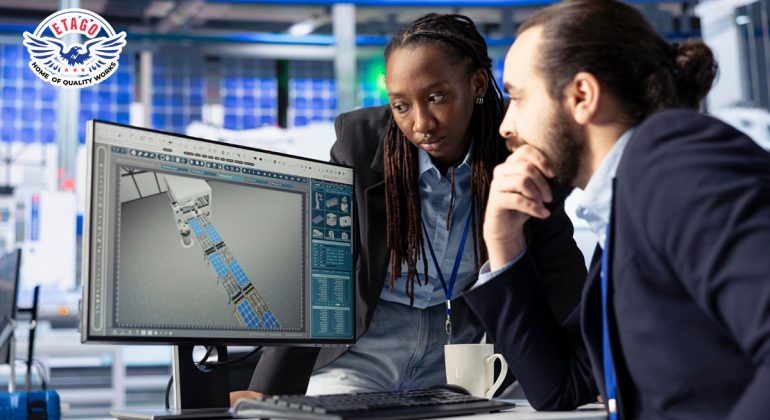
A digital twin is a virtual replica of physical assets—tanks, piping networks, or entire terminals—fed by real-time sensor data. Engineers can simulate operations, predict failures, and optimize maintenance schedules.
Application in Piping Systems and Tank Inspections
By integrating IoT sensors with a digital twin, you can detect anomalies in pressure, flow, or temperature before they escalate. This is crucial for hydro testing and NDT programs.
Pilot Project: Virtual Model of a Hydro Testing Plant
Etago’s pilot at a coastal refinery used a digital twin to decrease unplanned maintenance by 25% and extend testing intervals by 15%, translating to significant cost savings.
5. Water-Efficient Hydro Testing
Closed-Loop Systems to Recycle Test Water
Traditional hydrostatic testing can consume thousands of liters per test. Closed-loop systems filter, de-aerate, and reuse water, slashing consumption by 80%.
Environmental Benefits and Compliance
Recycling test water reduces freshwater withdrawal and wastewater discharge—supporting compliance with local environmental regulations in Tanzania.
Case Study: Recycled Hydro Testing at a Refinery
Our team implemented a closed-loop hydro testing system that recycled 10,000 liters per test, cutting water costs by 60% and earning the client an environmental compliance award.
6. Bio-Based Corrosion Inhibitors
Plant-Derived Alternatives to Chemical Inhibitors
Bio-based inhibitors, derived from agricultural byproducts, protect metal surfaces against corrosion without toxic chemicals. They degrade naturally, reducing environmental harm.
Performance in Tank and Pipeline Protection
Laboratory and field trials show up to 95% corrosion inhibition—on par with synthetic inhibitors—while eliminating hazardous disposal.
Field Trial Results in Coastal East Africa
An Etago‐led trial on a seaside storage tank demonstrated 98% protection over six months, outperforming conventional inhibitors in salinity conditions.
Integrating Sustainability into Project Commissioning
Commissioning Green Systems
During project commissioning, Etago’s teams validate the performance of solar arrays, closed-loop water systems, and digital twins—ensuring they meet design targets.
Training Operations Teams for Eco-Maintenance
Post‐handover, we train client staff on sustainable operation—maximizing uptime while safeguarding ecosystems.
Economic and Environmental Impact
Cost-Benefit Analysis of Green Solutions
Although initial investment can be 10–20% higher, sustainable innovations pay back within 2–4 years via energy savings, reduced water usage, and lower maintenance costs.
Carbon Footprint Reductions
Adoption of these six innovations can cut a facility’s carbon emissions by up to 40%, aligning with Tanzania’s NDCs under the Paris Agreement.
Challenges and Mitigation Strategies
Upfront Costs vs. Long-Term Gains
Mitigation: Leverage financing options, government incentives, and phased implementation to spread costs.
Regulatory and Supply-Chain Hurdles
Mitigation: Early engagement with regulators, local sourcing partnerships, and robust contracting strategies.
The Future of Sustainable Engineering in East Africa
Emerging Innovations to Watch
-
Green hydrogen for steel reduction
-
3D-printed concrete with recycled aggregates
-
Blockchain for transparent carbon accounting
Role of Public-Private Partnerships
Collaboration between governments, donors, and companies like Etago will fast-track sustainable infrastructure growth.
How Etago Company Limited Can Assist
Etago offers end-to-end sustainable engineering solutions:
-
Engineering Design & Construction: Integrating green materials and modular methods.
-
Tank Inspections, Hydro Testing, NDT: Utilizing digital twins and closed-loop systems.
-
Oil & Gas Infrastructure Development: From solar-integrated terminals to bio-based corrosion protection.
-
Project Management & Commissioning: Validating performance and training teams for eco-maintenance.
Partner with Etago to build efficient, compliant, and environmentally responsible facilities that stand the test of time.
Conclusion
Sustainable engineering solutions are redefining how East Africa’s industrial sectors grow. From green steel to digital twins, these innovations deliver measurable environmental and economic benefits. By embracing these six practices, companies can achieve safer operations, lower costs, and a reduced carbon footprint. Etago Company Limited is ready to guide your next project toward a sustainable future.
FAQs
-
What are sustainable engineering solutions?
They’re eco-friendly practices and technologies—like green steel, solar canopies, and digital twins—that reduce environmental impact while boosting performance. -
How do green steel alternatives reduce carbon emissions?
By using hydrogen or renewable-powered electric furnaces instead of coal, cutting CO₂ output by up to 90%. -
Can digital twins save costs in maintenance?
Yes, they predict and prevent failures, reducing unplanned downtime and maintenance expenses by up to 25%. -
Are bio-based corrosion inhibitors as effective as chemicals?
Field trials in East Africa show up to 98% protection—on par with synthetic inhibitors and fully biodegradable. -
How can companies partner with Etago for sustainable projects?
Contact Etago via www.etago.co.tz to discuss tailored solutions in design, construction, inspection, testing, and commissioning—driving both sustainability and efficiency.