
Introduction to Project Commissioning
What is Project Commissioning?
Project commissioning is the process of ensuring that an industrial facility’s systems and components are designed, installed, tested, operated, and maintained according to the operational requirements. It’s the critical final step before handing over the facility for full operation.
Why Commissioning is a Critical Phase
Think of commissioning like a final dress rehearsal before a grand performance. Everything is in place, but unless each element is tested and functioning, things can quickly fall apart. In industries like oil & gas, manufacturing, and power generation, a poor commissioning process can lead to delays, safety risks, or catastrophic failures.
Key Objectives of Project Commissioning
Verifying System Integrity
Commissioning checks every pipe, valve, panel, and sensor to ensure systems are intact and working under design parameters.
Ensuring Operational Readiness
Before a facility goes live, commissioning ensures the equipment performs according to specifications and integrates seamlessly into larger operational processes.
Meeting Regulatory Compliance
Across East Africa, compliance with national and international standards is non-negotiable. Commissioning verifies conformity to safety, environmental, and operational regulations.
The Project Commissioning Lifecycle
Planning Stage
Defining Commissioning Requirements
Here, the team sets clear goals—what systems will be tested, to what standard, and using which metrics.
Scheduling and Resource Allocation
A good plan ensures the right people, tools, and materials are available when needed. Timing is everything.
Execution Stage
Onsite Testing and Verification
This involves running systems under normal and extreme conditions to validate performance.
Functional Performance Testing
It’s not enough that systems run; they must run right. Think of it as putting the engine in gear and hitting the gas.
Close-Out Stage
Final Inspections
Independent and internal inspectors confirm that the facility meets all specifications.
Documentation and Handover
All findings, test results, and operating guidelines are compiled for future reference and legal compliance.
Common Components in Commissioning
Mechanical Systems
These include pumps, compressors, and HVAC units, which must be aligned, calibrated, and leak-free.
Electrical Systems
Wiring, circuit breakers, transformers—commissioning ensures everything’s safe and up to code.
Process Control Systems
From programmable logic controllers (PLCs) to SCADA systems, these ensure automation is reliable.
Instrumentation and Automation
Sensors and control units are tested for responsiveness, accuracy, and fail-safes.
Industry Best Practices in Commissioning
Early Involvement of the Commissioning Team
The earlier the commissioning crew gets involved, the better they can influence design and construction decisions.
Use of Commissioning Checklists
Standardized lists reduce human error and ensure consistent practices.
Stakeholder Communication and Coordination
Clear roles, responsibilities, and expectations are key to staying on schedule and budget.
Challenges in the Commissioning Phase
Time Constraints
Commissioning is often squeezed at the end of a project timeline. This rush can lead to oversights.
Budget Overruns
Delays or re-testing due to incomplete installation can inflate costs.
Incomplete Design or Documentation
Missing or inaccurate blueprints can grind the process to a halt.
Real-World Applications in Tanzania and East Africa
Oil & Gas Plant Commissioning
Ensuring safe startup of refineries and depots across Dar es Salaam and beyond.
Industrial Construction Facilities
From cement factories to food processing plants, commissioning makes sure machinery is production-ready.
Power Generation Projects
Solar, hydro, or thermal—power plants require precise commissioning to guarantee output reliability.
How Etago Company Limited Supports Project Commissioning
Engineering Design and Construction
Etago ensures the foundation is strong so that commissioning goes smoothly later.
Tank Inspections and NDT Services
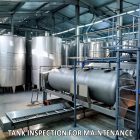
Before a tank is filled, Etago conducts hydro testing and NDT (non-destructive testing) to verify strength and safety.
Project Management and Facility Commissioning
From planning to handover, Etago handles the process end-to-end, with a focus on compliance, safety, and performance.
Safety and Compliance in Commissioning
HSE (Health, Safety & Environment) Considerations
Commissioning involves high-risk activities like pressurizing systems—strict safety protocols are a must.
Regulatory and Industry Standards
Etago follows standards like API, ASME, and ISO to ensure global compliance.
Documentation Required for Commissioning
Operation & Maintenance Manuals
These guide future operators and maintenance staff through safe and effective usage.
Test Reports and Certificates
Proof that all systems passed inspection.
As-Built Drawings
Reflect actual installation layouts for future troubleshooting and upgrades.
Technology Trends in Modern Commissioning
Digital Twin Technology
A virtual model of the facility helps simulate operations before live commissioning.
Remote Monitoring and Cloud Platforms
Real-time insights and remote testing help speed up the process and enhance accuracy.
Role of Skilled Personnel in Commissioning
Importance of Technical Expertise
Commissioning isn’t a trial-and-error process—it requires certified engineers and technicians.
Training and Competency Requirements
Etago invests in training to ensure its staff stay ahead of the curve in commissioning best practices.
Cost Implications of Proper Commissioning
Long-Term Operational Savings
Proper commissioning prevents premature equipment failure and costly downtime.
Avoiding Rework and Downtime
Fixing problems before they occur is always cheaper than post-launch repairs.
Benefits of a Successful Commissioning Process
Reduced Risk of System Failures
Properly commissioned systems are more reliable and predictable.
Enhanced Operational Efficiency
Systems perform at their optimal levels, saving energy, time, and money.
Extended Asset Lifespan
Better startup leads to longer-lasting equipment and fewer replacements.
Conclusion and Key Takeaways
Project commissioning is not just a checkbox—it’s the lifeline of a successful, safe, and compliant facility launch. From testing systems to training staff and verifying compliance, every step matters. For industries in Tanzania and East Africa, working with a reliable partner like Etago Company Limited ensures smooth transitions from project completion to full operation, minimizing risks while maximizing performance.
FAQs
What happens if a facility skips commissioning?
Skipping commissioning increases the risk of system failure, regulatory non-compliance, and safety hazards.
How long does a typical commissioning process take?
Depending on the project’s size, commissioning can take a few weeks to several months.
What are the legal implications of poor commissioning?
Non-compliance with safety and operational standards can lead to penalties, shutdowns, or litigation.
Can commissioning be outsourced?
Yes. Companies like Etago offer end-to-end commissioning services with qualified engineers and inspectors.
How does Etago ensure quality in its commissioning services?
Through certified professionals, adherence to global standards, and use of modern inspection technologies.